

tempered glass and laminated glass
Exploring the World of Plug Gauges Essential Tools for Precision Measurement In the realm of precision manufacturing and mechanical engineering, plug gauges play a pivotal role in ensuring dimensional accuracy and quality control. These specialized tools are designed to measure and verify the internal diameters of holes and openings, making them indispensable in various industries, from automotive to aerospace. This article delves into plug gauges, their features, applications, and the considerations when purchasing them for sale. What are Plug Gauges? Plug gauges are cylindrical tools used to check the diameter of a hole or the internal dimensions of components. They come in two primary types go gauges and no-go gauges. The go gauge is designed to fit into a hole that meets the specified dimensions, while the no-go gauge should not fit into the hole if the dimensions are correct. This binary system allows for quick and effective measurement, ensuring that parts meet stringent tolerances. Features of Plug Gauges Plug gauges are typically crafted from high-quality materials such as hardened steel, carbide, or other robust alloys to withstand wear and maintain accuracy over time. They are precise instruments, usually made to standards set by organizations like the International Organization for Standardization (ISO) and the American National Standards Institute (ANSI). Thus, they are often marked with specific tolerances and can have different grades based on their intended use. Many plug gauges also come with features such as 1. Calibration Certification A certificate ensuring that the plug gauge has been tested and meets defined standards. 2. Ergonomic Design Handles or grips for ease of use, particularly in repetitive tasks. 3. Corrosion Resistance Surface treatments to protect against environmental factors, enhancing longevity. 4. Variety of Sizes Available in various diameters to suit a wide range of applications. Applications of Plug Gauges The versatility of plug gauges makes them suitable for many industries. Here are some common applications - Manufacturing In manufacturing environments, plug gauges are used to ensure that components fit together correctly. For example, they help verify the dimensions of parts such as cylinders or holes that house bearings. - Quality Control In quality assurance processes, plug gauges are employed to conduct final inspections of products before they reach the end customer, guaranteeing that items meet predetermined specifications . - Maintenance Mechanics and technicians use plug gauges during maintenance checks to ensure that replacement parts will fit into existing assemblies without issues. plug gauges for sale - Design Applications Engineers may use plug gauges during the design phase to prototype and test new products, ensuring that designs are both functional and manufacturable. Purchasing Plug Gauges for Sale When it comes to purchasing plug gauges, there are several factors to consider 1. Accuracy Requirements Understand the degree of precision you need for your applications. Higher accuracy gauges can be more costly. 2. Material and Durability Depending on your operational environment, you may need gauges that are more resistant to wear and corrosion. 3. Calibration and Standards Always check for calibration certifications and whether the gauges meet industry standards. This is crucial for maintaining quality control in a professional setting. 4. Supplier Reputation Choose reputable suppliers or manufacturers known for producing high-quality gauges. Read reviews and ask for recommendations from industry peers. 5. Cost vs. Value While it’s tempting to go for the cheapest option, consider the long-term value of investing in high-quality plug gauges. Cheaper models may not provide the accuracy and durability necessary for professional use. Conclusion Plug gauges are indispensable tools in manufacturing and quality control processes. Their ability to ensure precise internal measurements makes them vital for maintaining high standards in engineering and production. By understanding their features and applications, and by making informed purchasing decisions, businesses can enhance their operational efficiency and product quality. Whether you’re a veteran in the industry or just starting, integrating plug gauges into your toolset will undoubtedly contribute to your success.
about
tempered glass and laminated glass
Understanding Thread Ring Gauge Use in Quality Control Thread ring gauges are essential instruments in the field of quality control, particularly for threaded fasteners and components. They ensure the accuracy of external threads by providing a means to measure the pitch diameter and verify the thread profile of a threaded part. This article delves into the importance, operational principles, and applications of thread ring gauges. What is a Thread Ring Gauge? A thread ring gauge is a cylindrical tool with internal threads that are manufactured to specific standards, typically based on the American National Standards Institute (ANSI) or the International Organization for Standardization (ISO). These gauges come in two primary forms go gauges and no-go gauges. The ‘go’ gauge checks whether the threads of a part are within the acceptable limits, while the ‘no-go’ gauge ensures that the threads do not exceed the allowable tolerances. By using both, manufacturers can effectively ensure that their parts meet precise specifications. Importance of Thread Ring Gauges The accuracy of threaded components is critical in many industries, including automotive, aerospace, and manufacturing. Threads that don't meet specifications can lead to mechanical failures, excessive wear, or safety issues. For example, in the automotive sector, improperly threaded components can cause significant damage or even catastrophic failures during operation. Using thread ring gauges helps manufacturers 1. Ensure Compliance Meeting industry standards for thread dimensions is crucial for regulatory compliance and product certification. 2. Enhance Quality Control Regular use of thread ring gauges allows for consistent quality checks throughout the production process, reducing the chances of defective components. 3. Reduce Costs By identifying non-conforming parts early in the manufacturing process, companies can minimize rework and scrap, ultimately saving on production costs. 4. Increase Customer Satisfaction High-quality products lead to increased customer trust and satisfaction, fostering long-term business relationships. Operational Principles of Thread Ring Gauges thread ring gauge use Using a thread ring gauge involves several straightforward steps. First, it is important to choose the right gauge for the part being tested. Once selected, the operator takes the threaded component and attempts to screw it into the gauge. For the ‘go’ gauge, the part should fit smoothly without excessive force, indicating that it is within the desired tolerance. Conversely, the ‘no-go’ gauge should not accept the component; if it does, the part is rejected based on inadequate thread depth or improper diameter. It’s essential for operators to familiarize themselves with the pitch diameter and thread profile of the gauges, ensuring compatibility. Additionally, regular calibration and maintenance of the gauges are necessary to ensure their longevity and accuracy. Applications of Thread Ring Gauges Thread ring gauges are utilized in various applications across multiple sectors. Some common uses include 1. Manufacturing and Assembly They are extensively used to inspect threaded parts, ensuring they meet the required specifications before assembly. 2. Quality Assurance Laboratories These gauges are often employed in labs where detailed measurements and certifications are required for parts before they enter the marketplace. 3. Field Inspections In some cases, thread ring gauges may be used on-site for maintenance inspections of machinery, ensuring that threads on bolts and fittings are still within acceptable tolerances after extended use. 4. Training and Development They are also valuable teaching tools in engineering and manufacturing courses, helping students understand the critical nature of thread specifications. Conclusion In summary, the use of thread ring gauges is indispensable in the quality control processes across many industries. They ensure that threaded components meet strict specifications, thereby enhancing safety, compliance, and customer satisfaction. As manufacturing technologies advance, the importance of precise measurements will only increase, further solidifying the role of thread ring gauges in modern production environments. By prioritizing the implementation of these gauges, companies can remain competitive and ensure high standards throughout their production processes.
-

High quality industrial productsagement

High quality industrial products
View Details -

Meet the diverse needs of customers

Meet the diverse needs of customers
View Details -

Strict quality control

Strict quality control
View Details -

Top raw materials

Top raw materials
View Details -

Trusted supplier

Trusted supplier
View Details
Our application

news and information
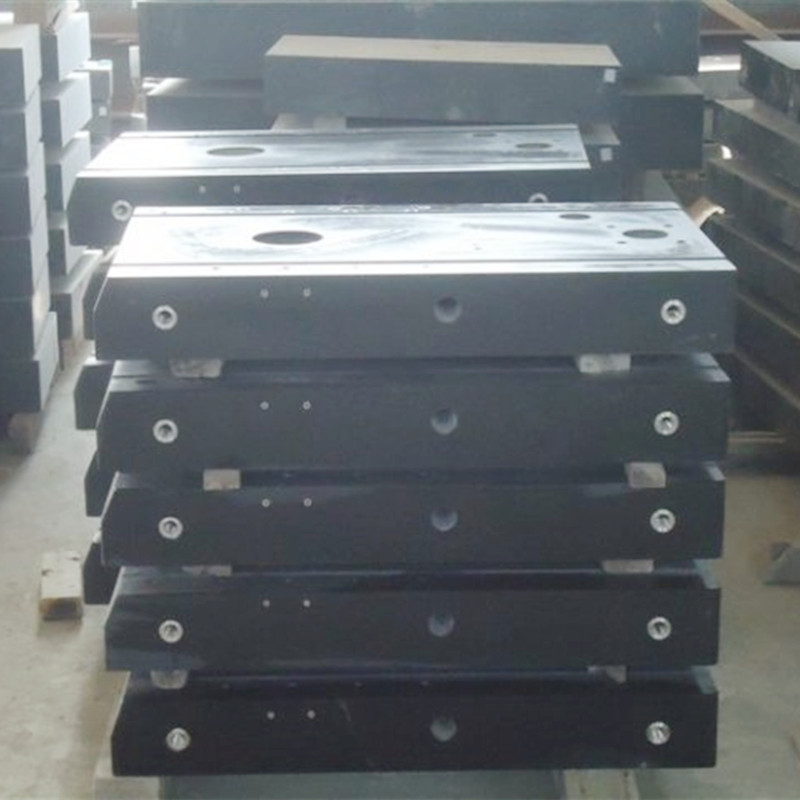
Versatile Tools for Establishing Precise Right Angles in Various Projects
The Right Angle Ruler Tool A Cornerstone for Precision in Drafting and Construction The right angle
Vanne papillon 15 mm - Performances et applications
La vanne papillon de 15 mm est un élément essentiel dans le domaine de la régulation des fluides. Gr
water main valve
Understanding the intricacies of water main valves is essential for both homeowners and professional
 English